Queen Elizabeth Park and Stanley Park Cherry Blossoms

People enjoying the Akebono Cherry tree blossoms at Queen Elizabeth park in Vancouver, BC.
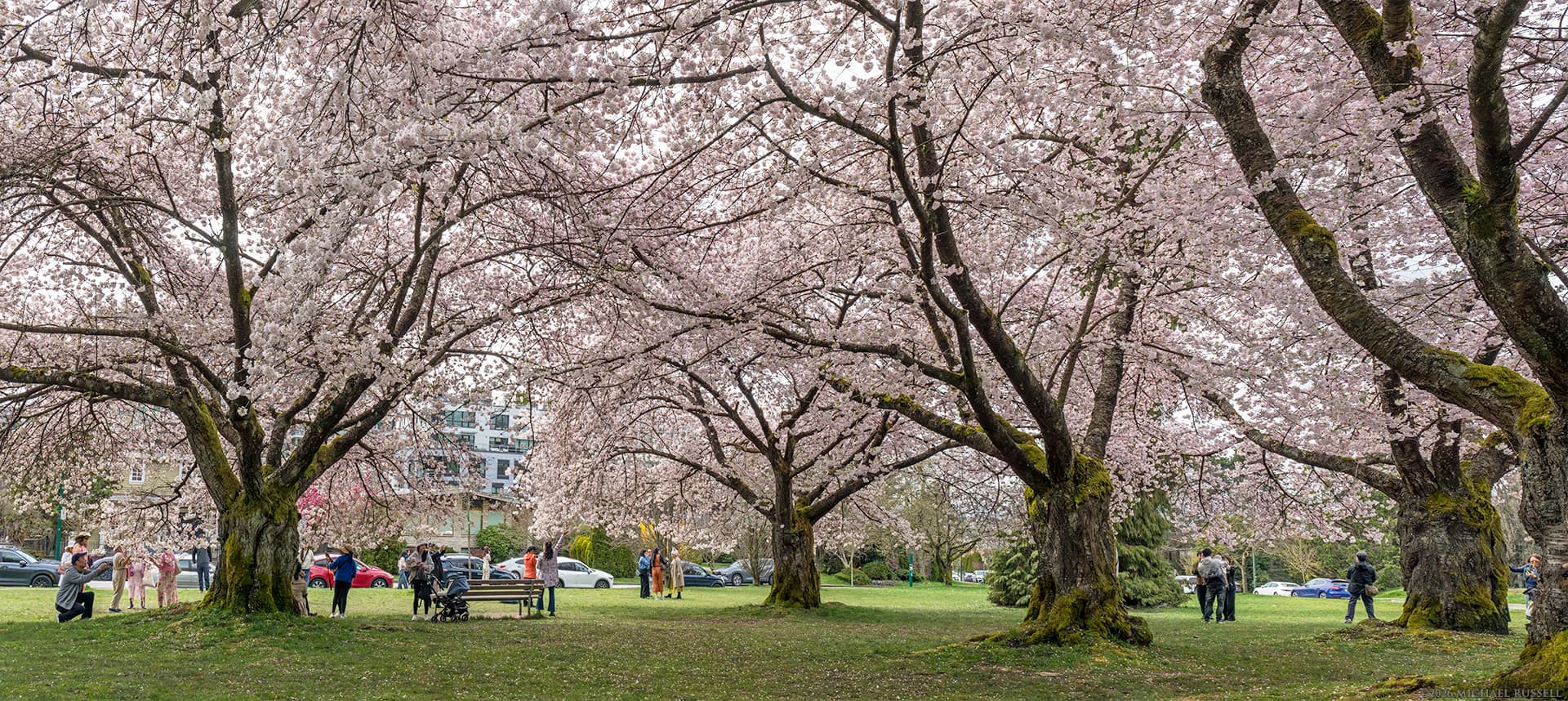
people gathering under the cherry blossom trees at queen elizabeth park in vancouver

People gathering under the cherry blossom trees and Queen Elizabeth Park (Purchase)

Most years I like to travel to Vancouver and photograph the cherry blossoms in the spring. Vancouver has a lot of cherry trees that bloom in and around late March/April. I tend to go to Queen Elizabeth Park and then Stanley Park and photograph my favourite trees in those places. The cherry blossoms are quite popular, so a lot of other people are also there photographing the flowers. In 2025 I made the above photograph of a number of people under some Akebono cherry trees in Queen Elizabeth Park. This spring I visited the same spot, and there were the usual tourists and locals photographing, taking selfies, etc. Also the usual influencer types with wardrobe changes at the ready. There was also a group of maybe 20 dancers, lined up in a formation, dancing under the blossoms while being filmed by about 5 people at once. Perhaps a music video of some sort. I don’t often include people in my photos, but in a location like this they are a big part of the story too, so I include them (not that I could easily avoid it).

This spring I made the photograph below of the same trees, excluding the crowds below. The flowers really are quite thick on the branches! Further into the park there is another grove of trees I enjoy, or at least I used to. In 2015 I made this post with some cherry blossom photos: Akebono Cherry Blossoms at Queen Elizabeth Park. One of these trees was one of the more famous trees in all of Vancouver – the Grandpapa tree. I believe it is the one in the back with a bit more of a crowd under it (in the previous link). This specific tree actually inspired the creation of the Vancouver Cherry Blossom Festival. All of the trees in this area were magnificent… and most of them are cut down now. Why would the park board cut down such popular and beautiful trees? Well, the answer is a bit complicated and hard to reach, and if you are interested – an entire article was written about it here: They Cut Down ‘Grandpapa’.
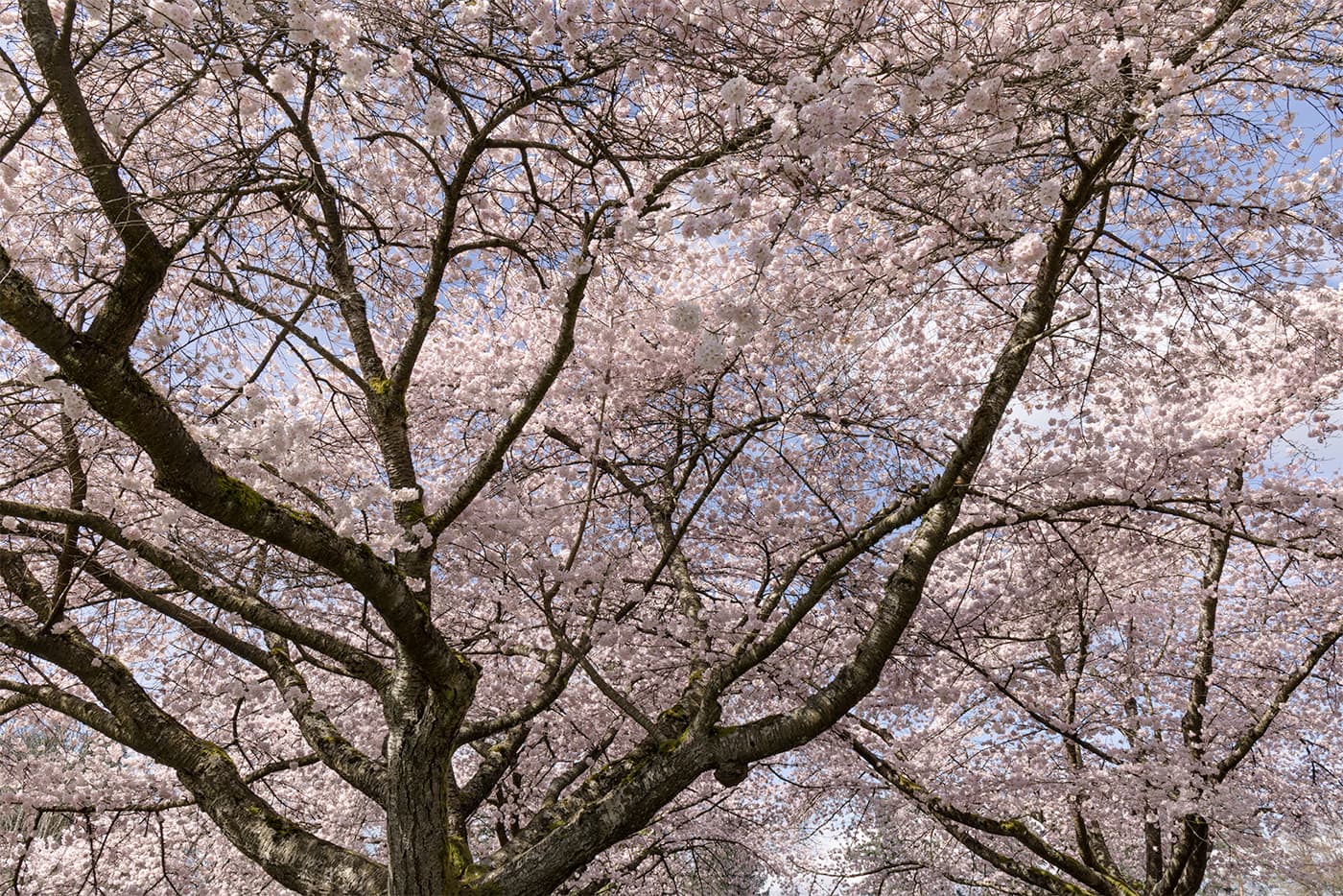
akebono cherry blossom trees blooming at queen elizabeth park

Akebono Cherry Blossoms at QE Park (Purchase)

The photograph above shows the blossoms on Akebono cherry trees. Akebono are also known as Yoshino, so you might recognize them by that name. These are the earlier of the cherry blossoms to bloom around Vancouver. A few weeks later a more ornate cherry blossom blooms – the Kwanzan cherry. I don’t know if there are a lot of these in Stanley Park or QE Park, but I should look for them one of these years.
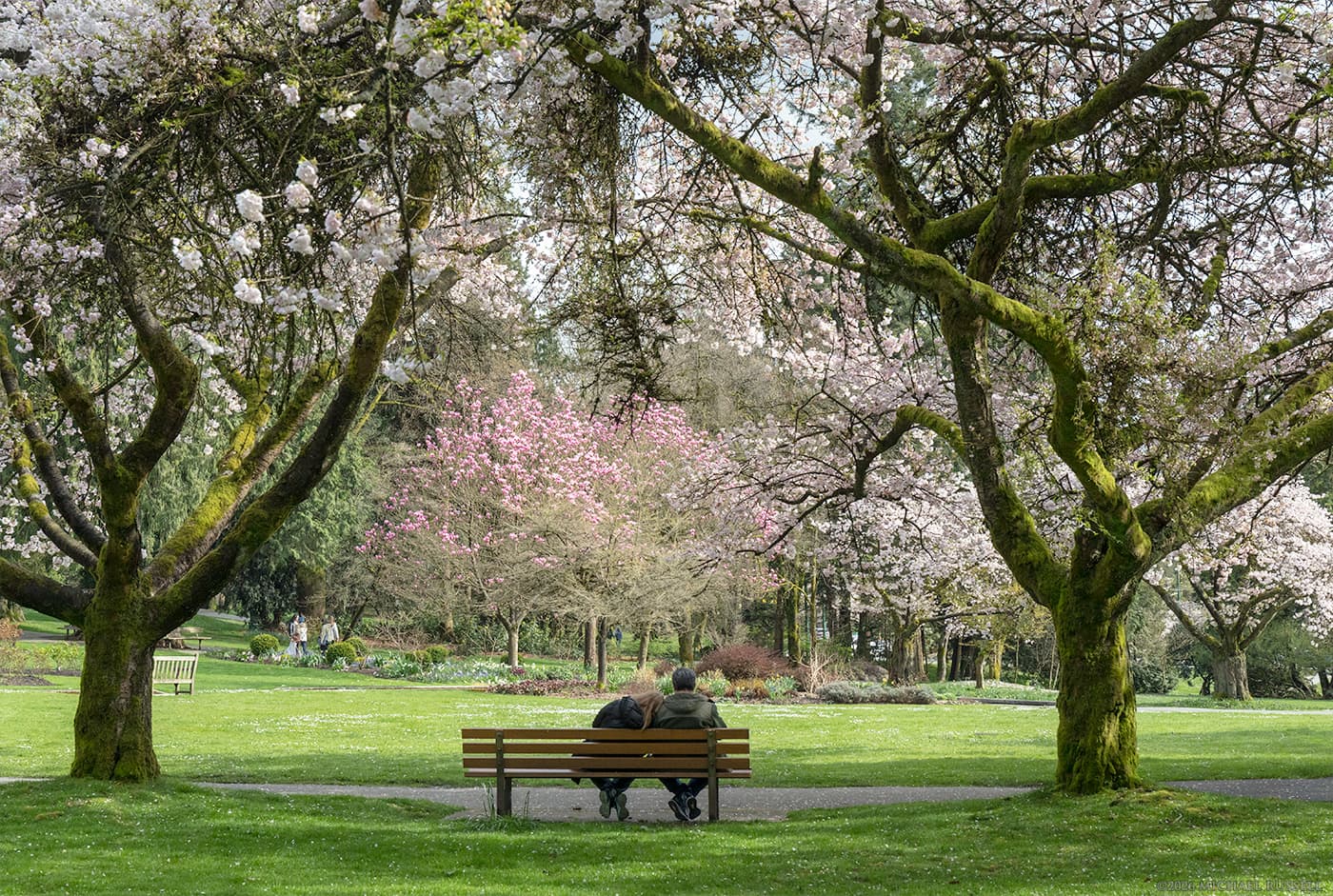
woman resting her head on mans shoulder while on a park bench under cherry blossoms in stanley park

Under the Cherrry Blossoms at Stanley Park (Purchase)

In Stanley Park I was set up to photograph this bench beneath the flowering trees. Two people were sitting on it, and I was waiting for them to leave. They did so, and I was about to make a photograph and this man and woman below sat down. I was going to wait for them to leave, but this seemed like a better moment to photograph. The blossoms above their heads are Akebono, and those in the distance in the direction they are looking appear to be Tulip Magnolias that are just about to fully open. During the Cherry Blossom Festival this is one of the busy spots, though it wasn’t too bad on this weekday afternoon.
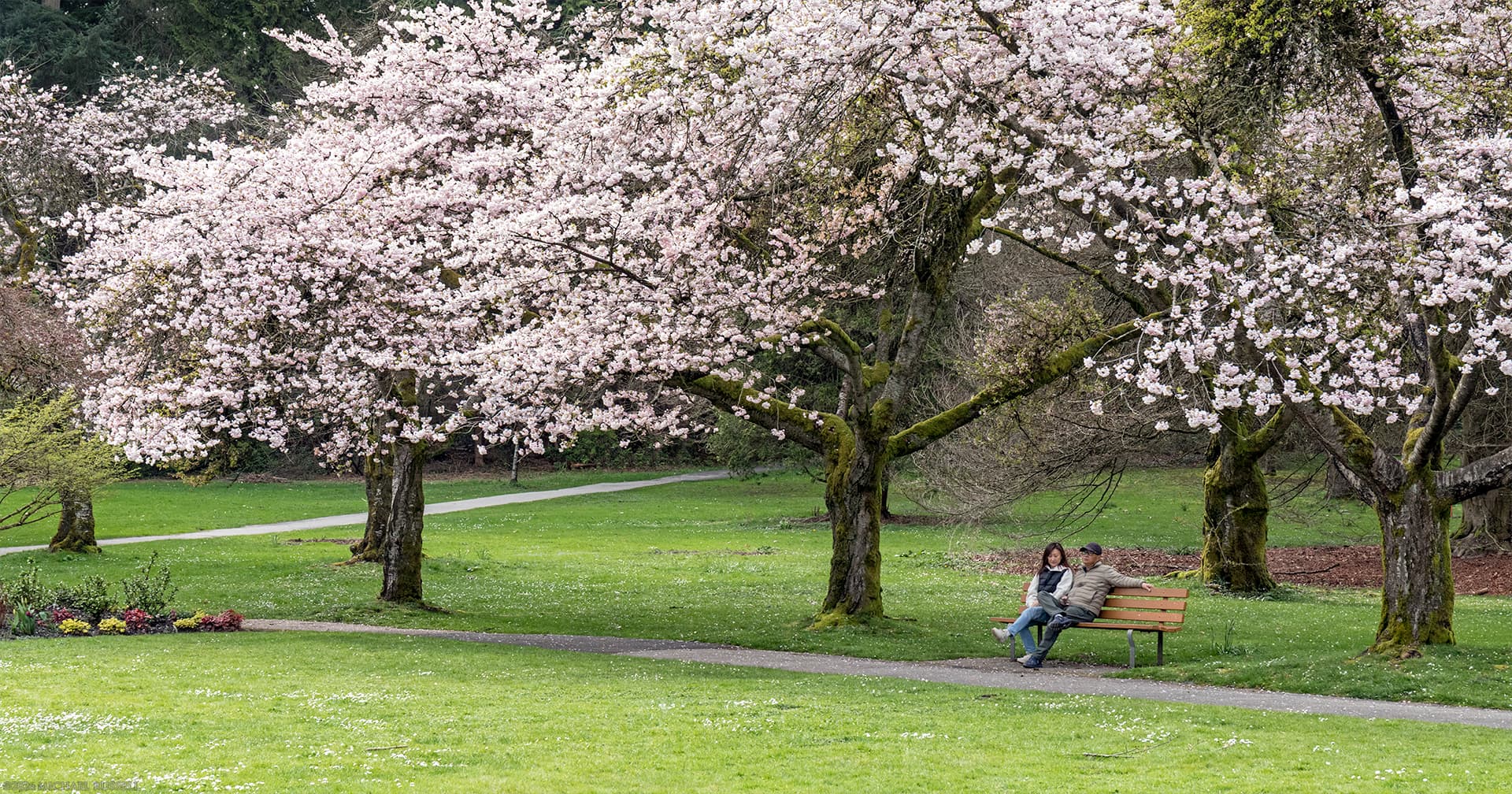
man and woman sitting on stanley park bench under cherry blossoms

Cherry Blossom Park Bench at Stanley Park (Purchase)

This last photograph is of the same park bench, on the same day. This is a popular bench! I’ve only rarely photographed this bench without people sitting on it.

For more photographs of gardens and cherry blossoms during spring in Vancouver visit my Garden Plants Gallery.
Fog at Pitt Marsh in Pitt Meadows

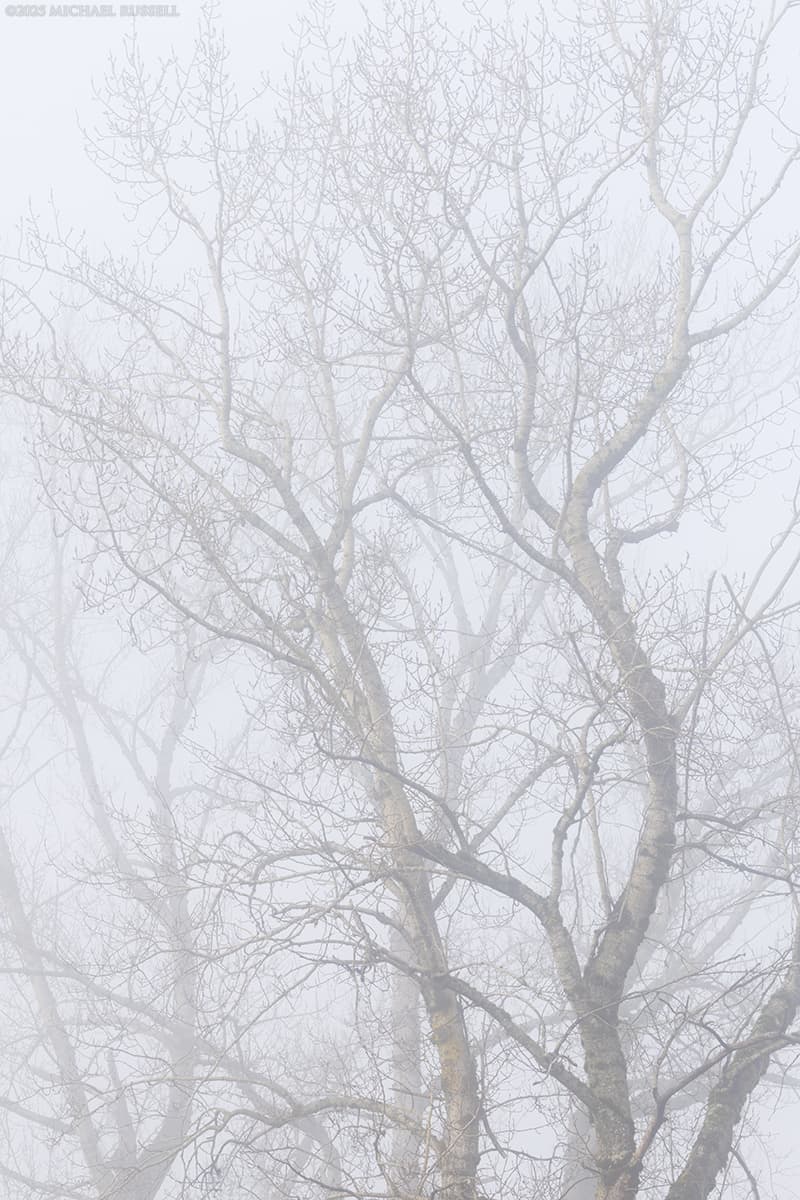
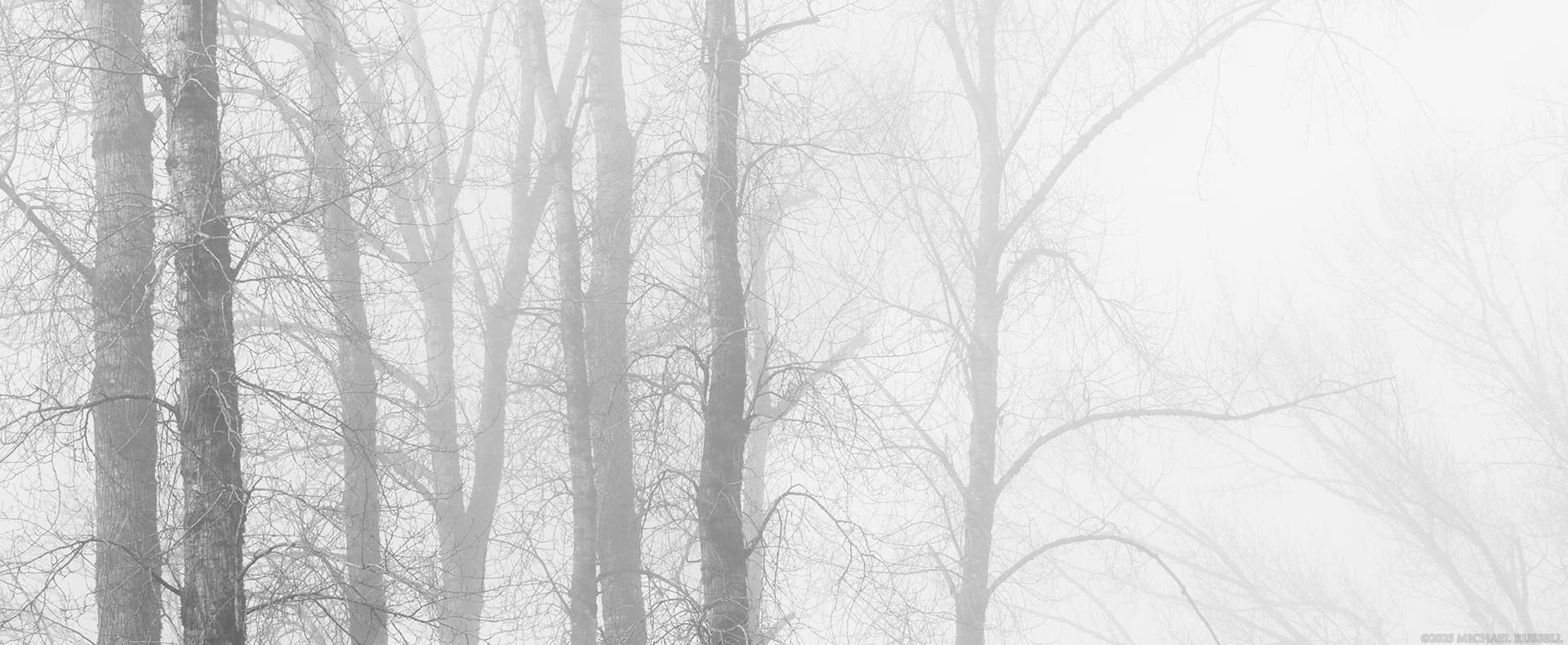
A series of Black Cottonwood (Populus trichocarpa) trunks and branches disappear into the fog near Katzie Marsh in Pitt Meadows, British Columbia, Canada.

cottonwood trees and trunks on a foggy day at pitt marsh

Cottonwood Gradient (Purchase)

Many photographers who live here in the southwest corner of British Columbia dream of a day with some fog. A good day of fog, inland from the immediate coast, is kind of rare thing here in the Lower Mainland. It might happen a few times in the winter, or not at all. So on New Years Eve, with conditions nice and foggy up near Pitt Lake, I headed out make some landscape photographs with my new camera for only the second time. Trees and forest can be a rather chaotic subject to deal with, and a layer of fog tends to remove the background from the scene, allowing more attention to the shape of the branches and trunks without the distractions behind.

The first photograph here I titled “Cottonwood Gradient”. A title like this is rare for me, but this one reminded me a bit of a black and white gradient. The trees/trunks on the left are darker and closer together. As we move from left to right in the frame that diminishes until they are barely present in the background.

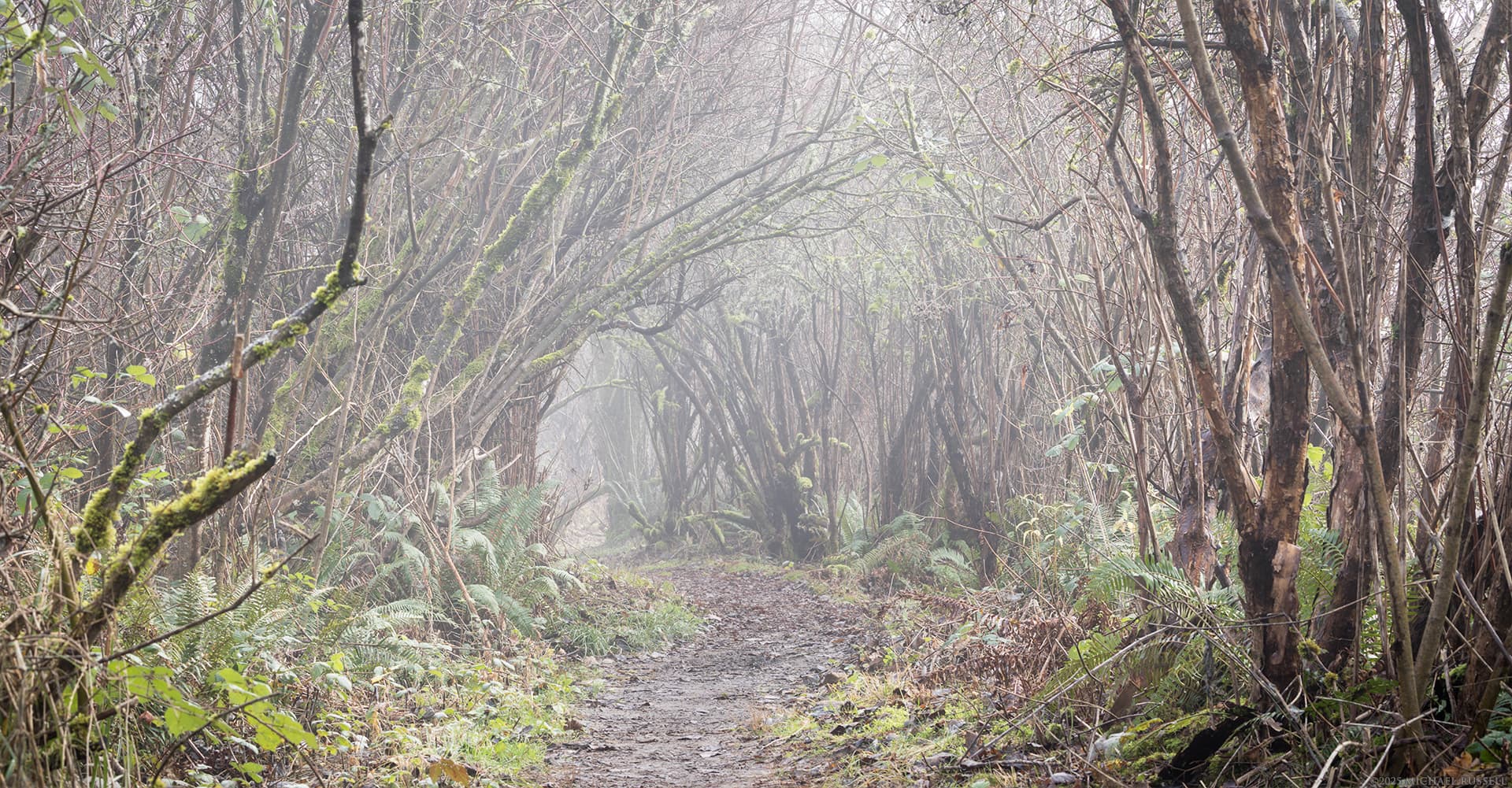
shrubs and small trees form a tunnel over the katzie loop trail on a foggy day at pitt marsh

Trees and mist above the Katzie Loop Trail (Purchase)

I’ve photographed many scenes from the Katzie Marsh Loop Trail in the past, but only had to walk a short way from the parking lot to find these Hazelnut and other small trees and shrubs forming a partial tunnel over the trail. The fog doesn’t remove the background here, but it does soften the scene and gives me the usual feeling I have with photographs like this – what is around that corner?

branches of the black cottonwoods in the fog

Black Cottonwood Branches in the Fog (Purchase)

Much like the first photograph above, this scene has the fog doing its work to hide what is behind these cottonwood branches. The branches of these trees are still rather chaotic, but I made several images working with the patterns attempting to find something more coherent.

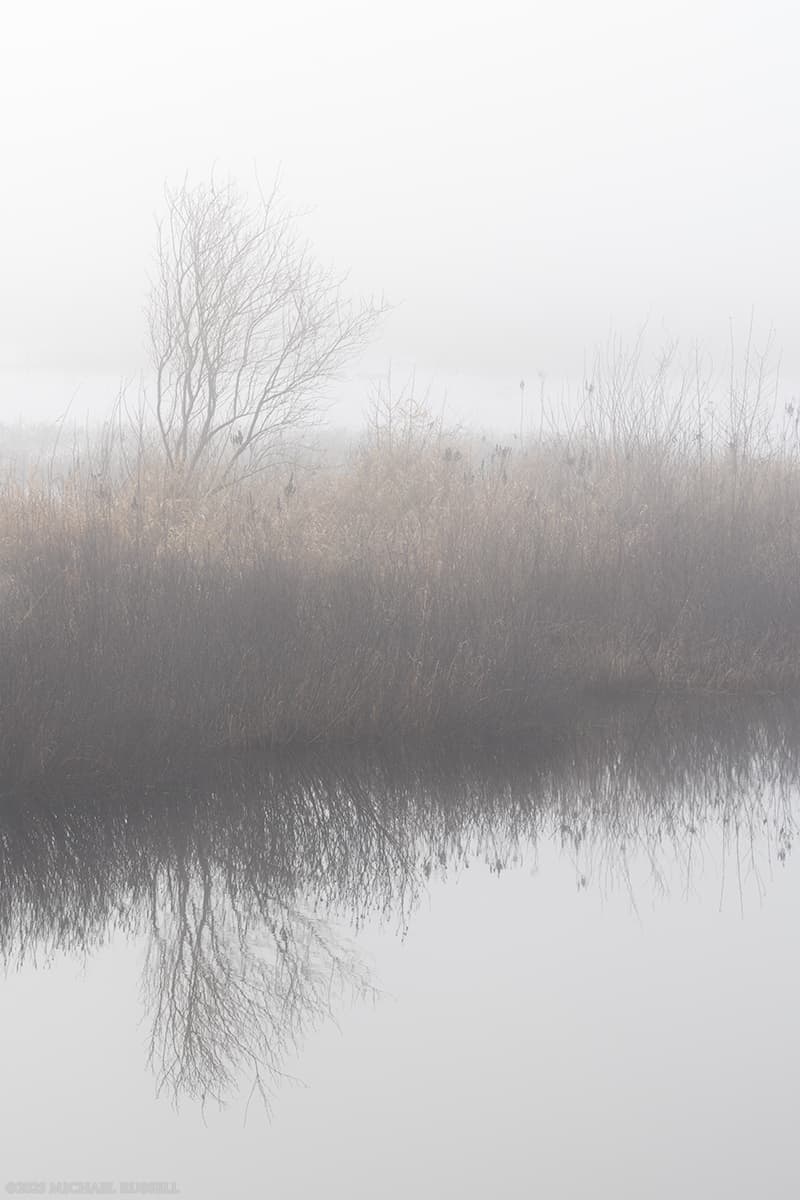
small tree, grasses, and spireas reflected in pitt marsh on a foggy day

Pitt Marsh in the Fog (Purchase)

The fog was quite thick looking towards the west, and I wound up coming back multiple times to this small shrub along the water in Pitt Marsh. It looks like it is reaching towards the sky more than the others in the area, and I settled on this composition with a nice reflection eventually.

More photographs of clouds and fog from this day and others can be found in my Fog and Clouds gallery.

Bald Eagles at Harrison Mills in the Fraser Valley

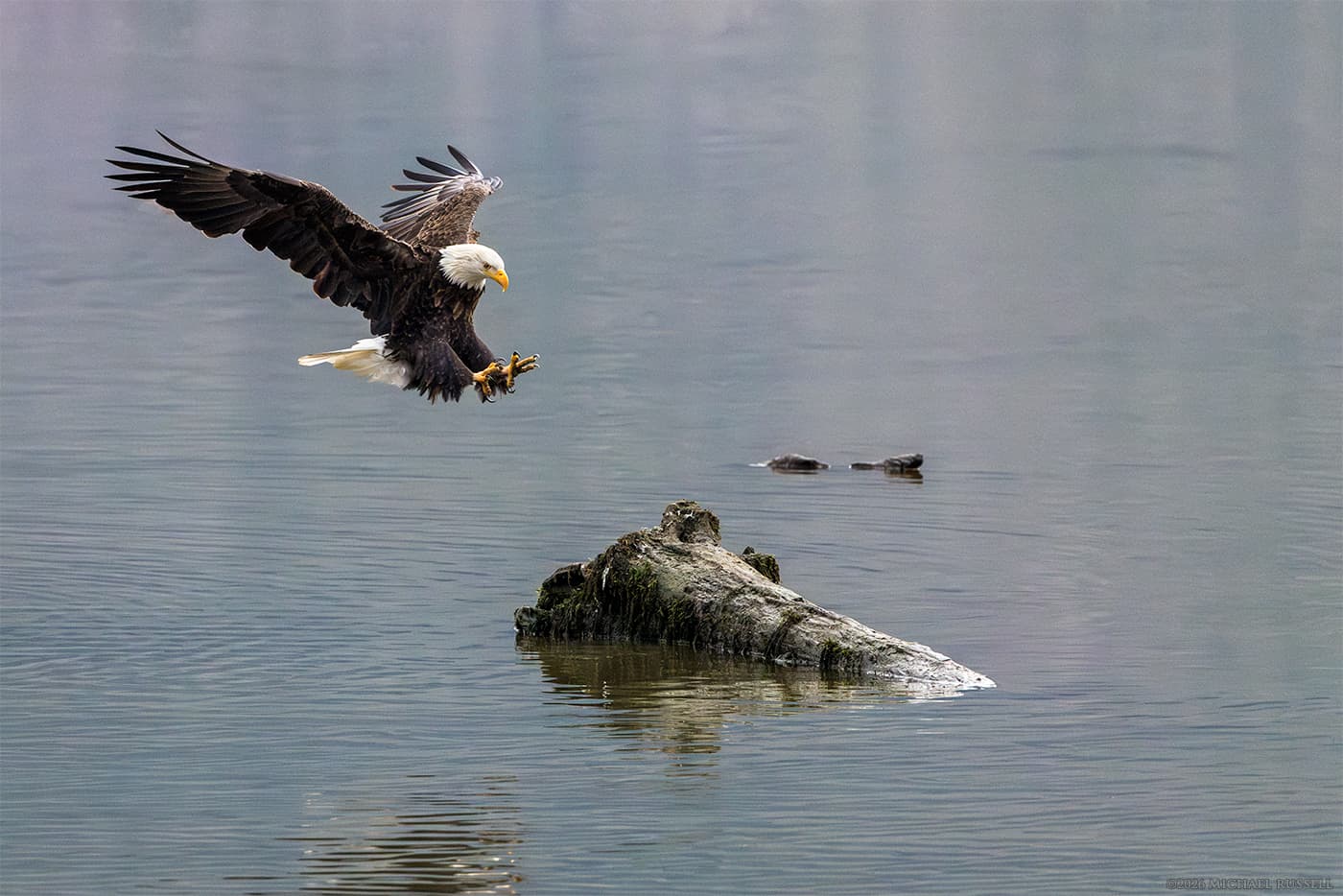
A Bald Eagle (Haliaeetus leucocephalus) with its talons and legs outstretched to land on a beached log along the Harrison River in British Columbia.

bald eagle in flight about to land on a log at harrison river

Bald Eagle coming in for a landing (Purchase)

I haven’t written a blog post in far too long! So lets get back into this by sharing some images from the Harrison River area of British Columbia. In this area a large number of Bald Eagles like to congregate in the fall while the salmon feast is still available. In November I bought a new camera, a Canon R5 Mark II, and was looking to try out its autofocus capabilities. I’ll write a bit of a mini review on the camera when I have a few more photographs to share in the near future. The eagles seemed like a good subject for testing new to me camera abilities, and I was not disappointed. This first photographs shows an adult Bald Eagle coming in for a landing on an old tree stump partially submerged in the river. I may have pulled off this shot with my old camera, but I have a landing sequence of this bird coming in that is about 12 photos, all sharp, and all interesting. This makes picking a winner a bit harder! I’ve also got this version of the eagle landing – which do you prefer?

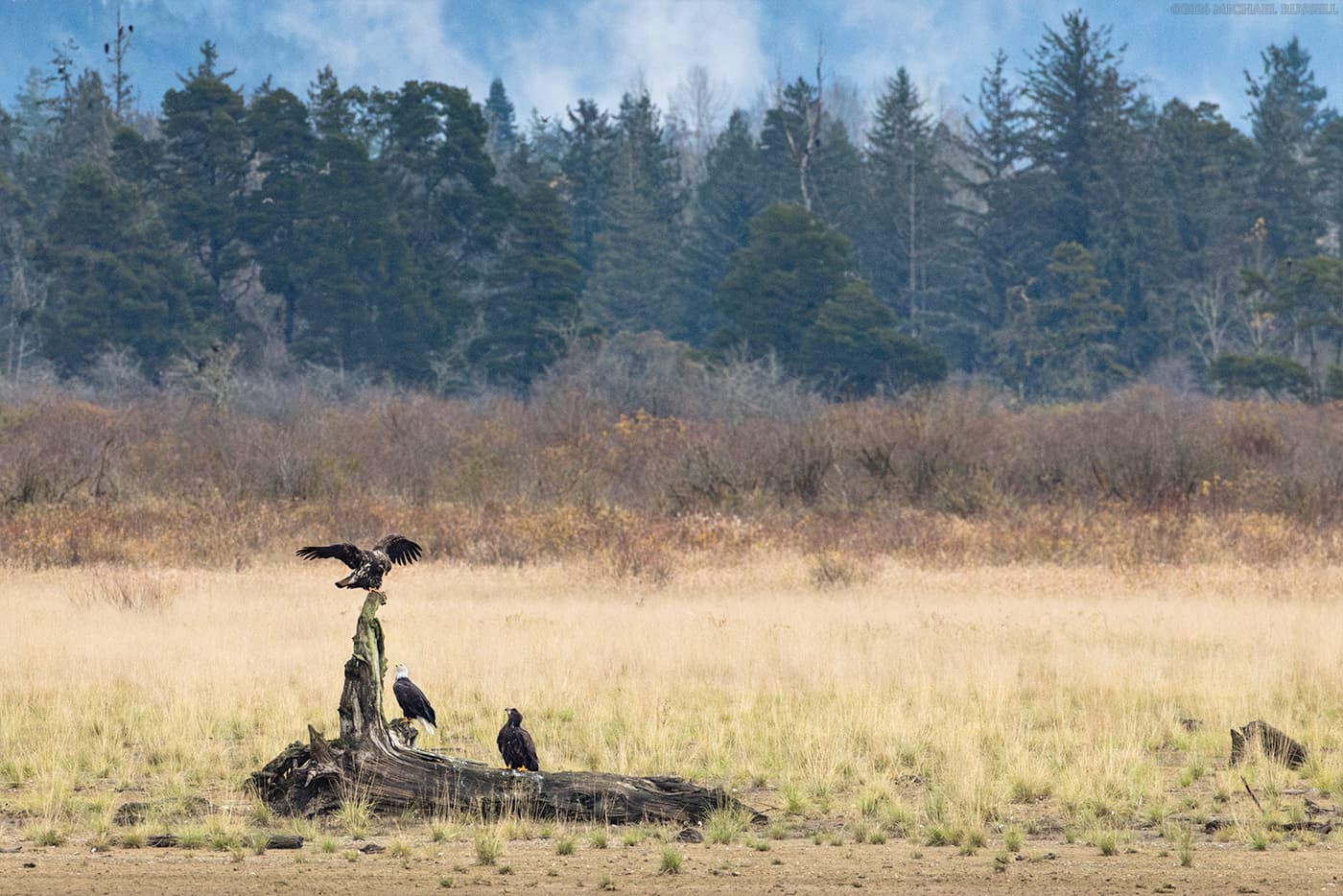
juvenile bald eagle landing on tree stump at harrison river

Juvenile Bald Eagle Landing on Tree Stump (Purchase)

There are a lot of Bald Eagles that come to feast in the area. A bit further away from my camera was this popular tree stump where lots of eagles were landing and then leaving again. This juvenile seemed to have a rough time getting its footing after landing and the other two were looking up while it seemed unsteady for a bit. This photo happens to have 14 eagles in it, not just the 3 on the log!

clouds and mount woodside in harrison mills

Clouds Clearing from Mount Cheam in the Fraser Valley (Purchase)

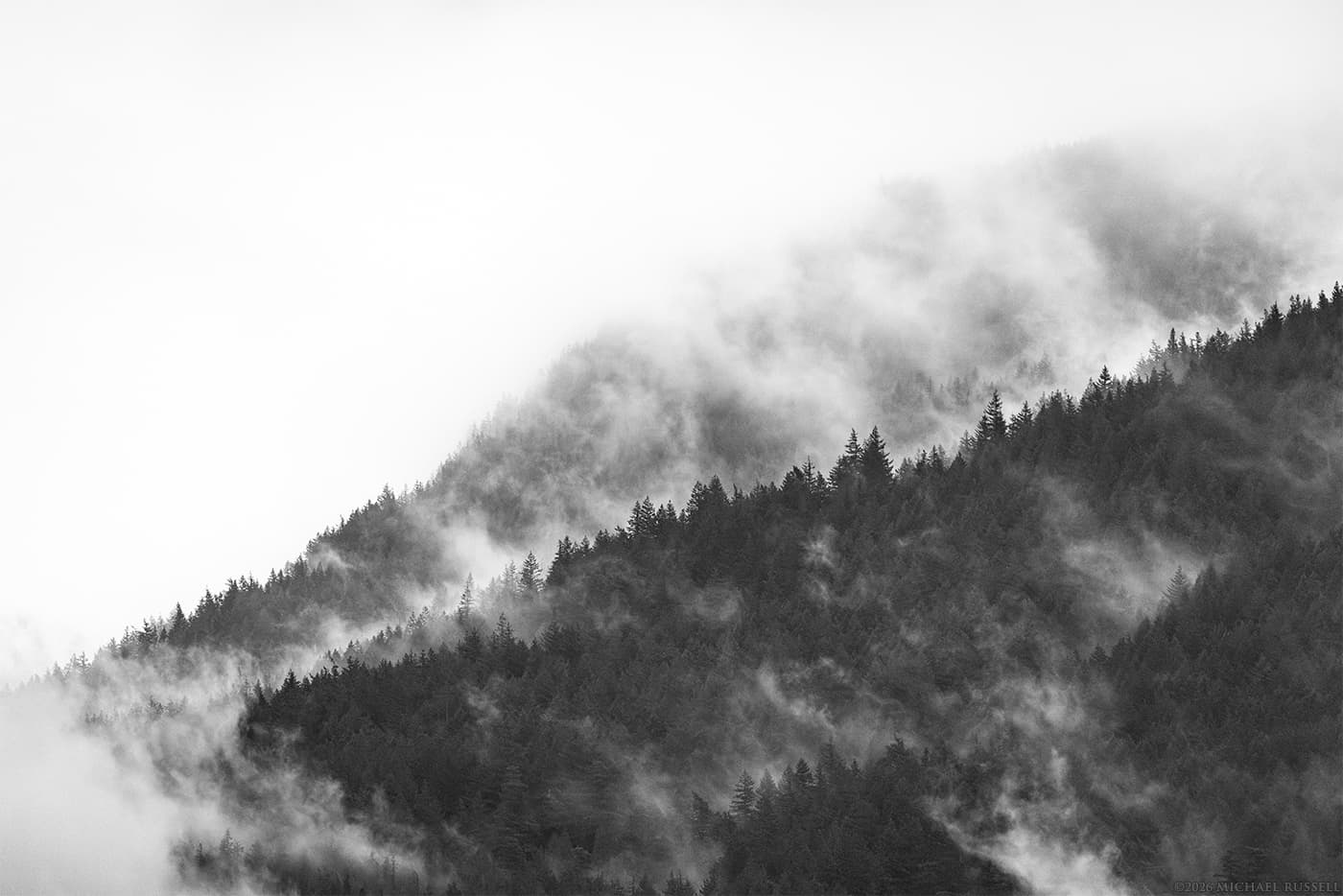
Finally I have the above black and white photo of some clouds clearing off of Mount Woodside in the Harrison Mills area. I love photographing clouds clearing out of the tree tops like this, even if getting a pleasing end result is difficult. For this one, the black and white version brought out the drama better than the drab colour version.

For more photographs of eagles and other wildlife visit my Animals and Wildlife Gallery.

Assorted Exposures #10

3 unrelated photos I’ve published recently that I wanted to share:

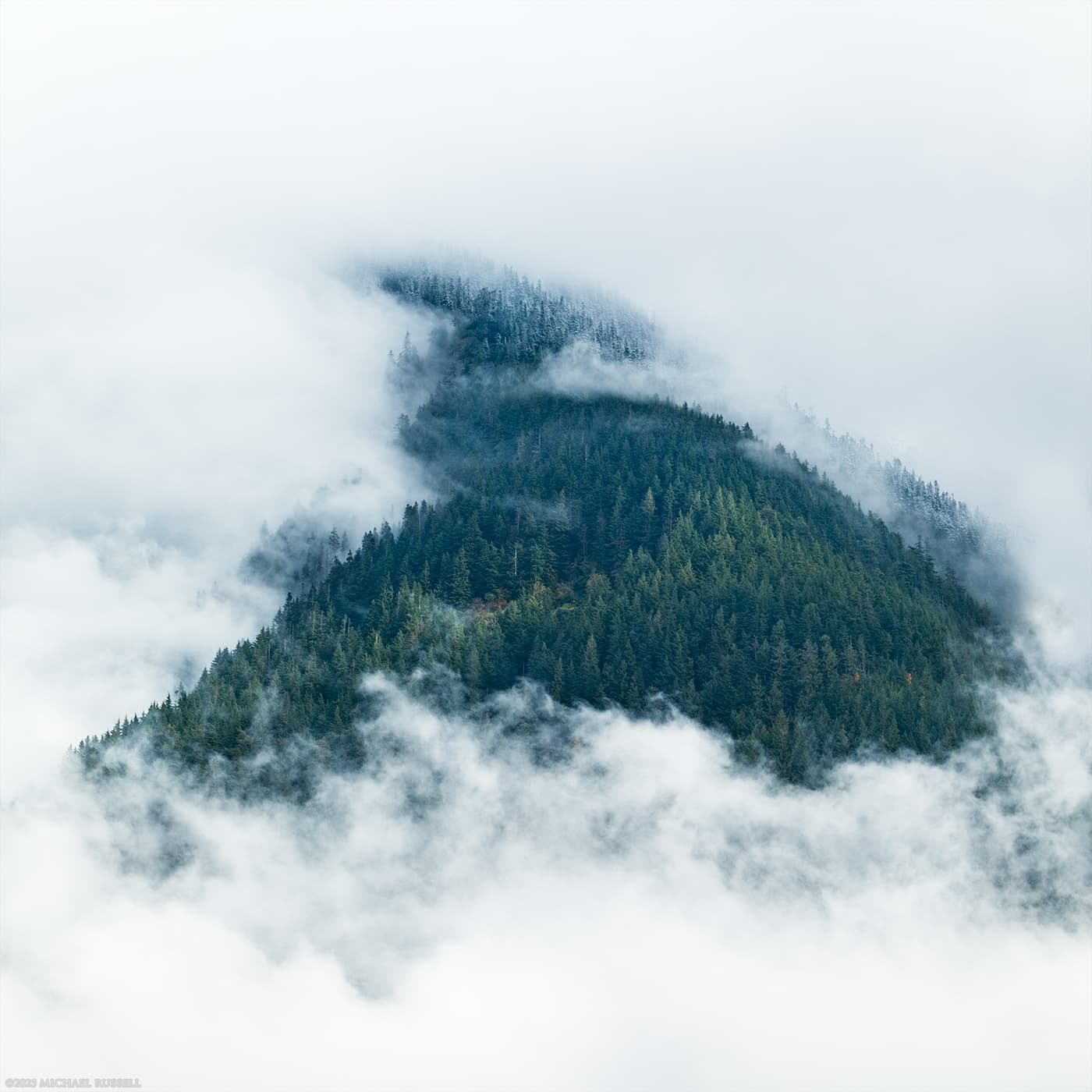
Clouds, Snow, and Mount Cheam

I made this photograph in the fall of 2024 when I was in the Fraser Valley of British Columbia looking for fall foliage. While I was in the Popkum area of Chilliwack I was treated to a lot of cloud clearing from the mountains. This would occasionally expose interesting tree covered ridges on the side of Mount Cheam (Lhílheqey). At one point this gap in the cloud cover opened up and I made a few photographs before the clouds changed dramatically once again. I like how there is just a hint of snow in the higher elevation trees rather than one of those very straight snow lines often seen on our mountains. I don’t really come up with titles for most of my photographs, but I did nickname this one “The Thorn” in a few other locations where I shared it.

clouds clearing from mount cheam in the fraser valley of chilliwack

Clouds Clearing from Mount Cheam in the Fraser Valley (Purchase)

Belted Kingfisher (Megaceryle alcyon)

Anyone into even a little bit of bird photography will tell you that photographing a Kingfisher is not an easy task. The species I see around here, the Belted Kingfisher (Megaceryle alcyon) has seemed to enjoy taunting me with its cry as it patrols river banks and lake shores. Spotting one isn’t all that difficult, but they tend to be fairly shy. I’ve seen them land near me a few times, but seldom sitting still they are long gone before I could raise a camera in their direction. So it was with great luck I was able to watch one fishing at Fulford Harbour earlier this year. I’d been photographing seaweeds floating in the water while waiting for a ferry, and this Kingfisher kept picking out small fish from the water, heading up in to surrounding trees to digest for a bit, and then repeating the process. Then the Kingfisher sat in this much closer tree for a bit, and I was able to photograph it, still from a distance, but with a long enough lens to get my best photo of a Kingfisher yet (and the only one worth sharing). This photo is cropped in a bit, but I’m still glad of the result. The Kingfisher here is a male, distinct from the female as the male is not as brightly coloured and without a reddish stripe on its chest. A rare bird species where the male has less colourful plumage.

male belted kingfisher perched on a branch

Male Belted Kingfisher (Purchase)

Sea Pea (Lathyrus japonicus)

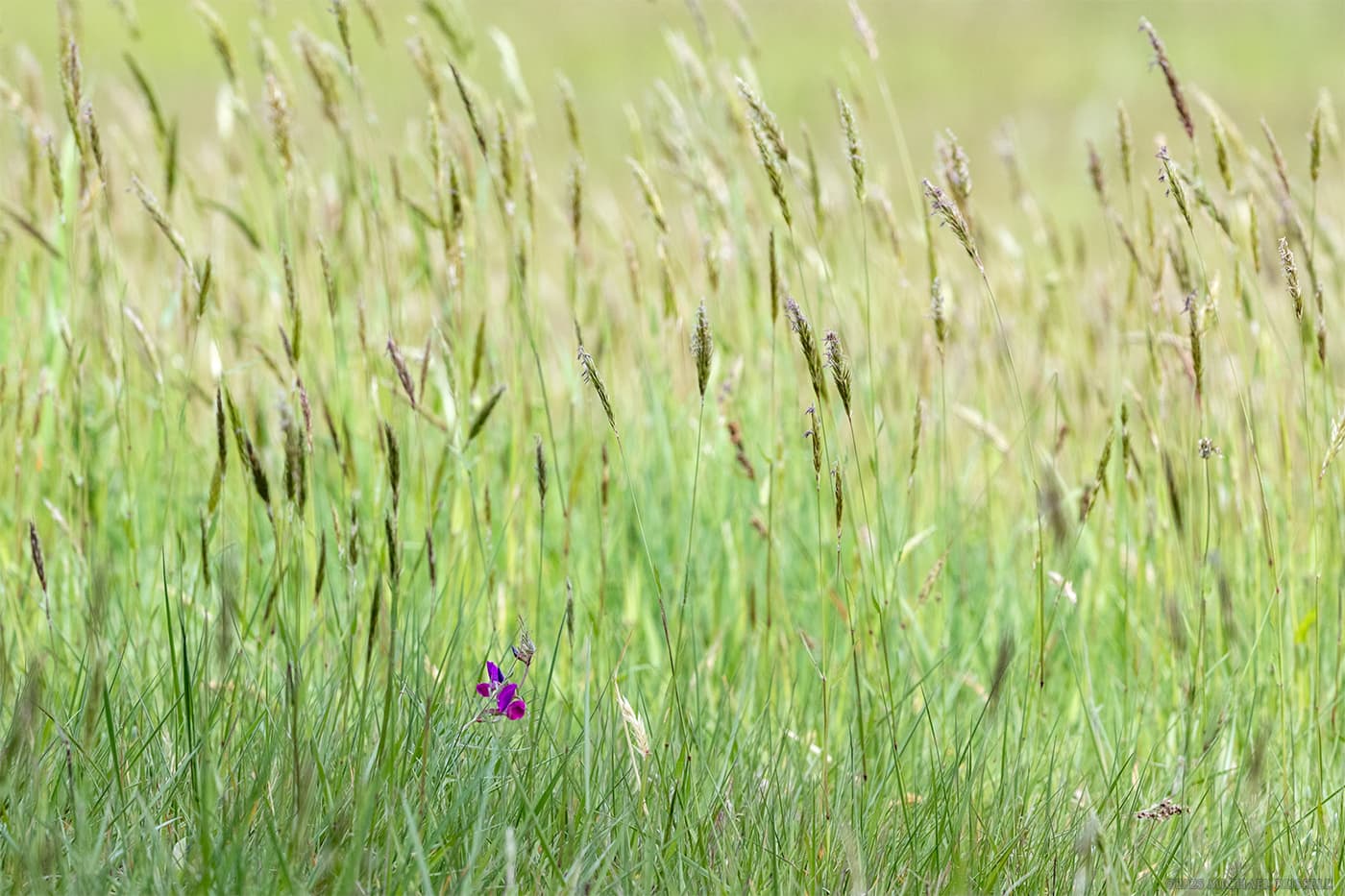
During my trip to Salt Spring Island earlier this year I was pulled over on the side of the road photographing a very nice Garry Oak tree in a field. While doing so I noticed this small purple flower, a Sea Pea (Lathyrus japonicus), blooming in the taller grasses surrounding it. The species is native to the area (with a widespread distribution on coastal North America), but I didn’t notice any other Sea Pea flowers while I was there. Sea Pea is also known as Beach Pea, Circumpolar Pea, or Sea Vetchling.

sea pea flower growing amidst grasses in a farm field

Sea Pea (Lathyrus japonicus) Amid Grasses (Purchase)

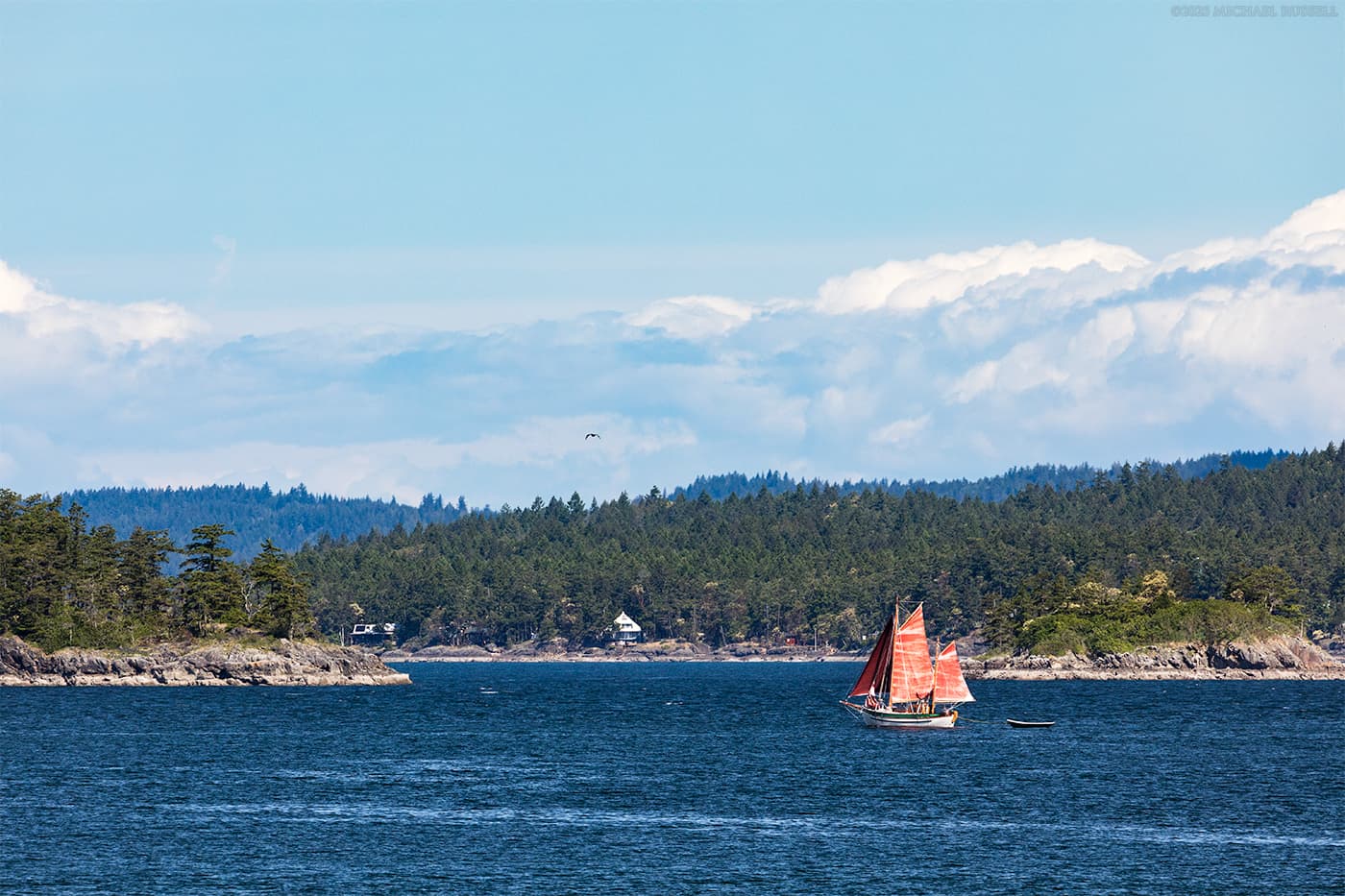
Wooden sailboat off the coast of Salt Spring Island

wood sailboat red sails captain passage salt spring island

A wooden sailboat in Captain Passage off the coast of Salt Spring Island (Purchase)

While visiting Ruckle Provincial Park this wooden sailboat sailed by in Captain Passage. The island with homes in the background is Secret Island, next to Prevost Island. I usually try to ID everything I can in a photograph. Mountain names, species of plans and animals, and often what kind of boat I’ve photographed. I have found a number of similar boats with similar sails, but not the name of this one. If you have any idea, let me know!

2026 Nature Calendar

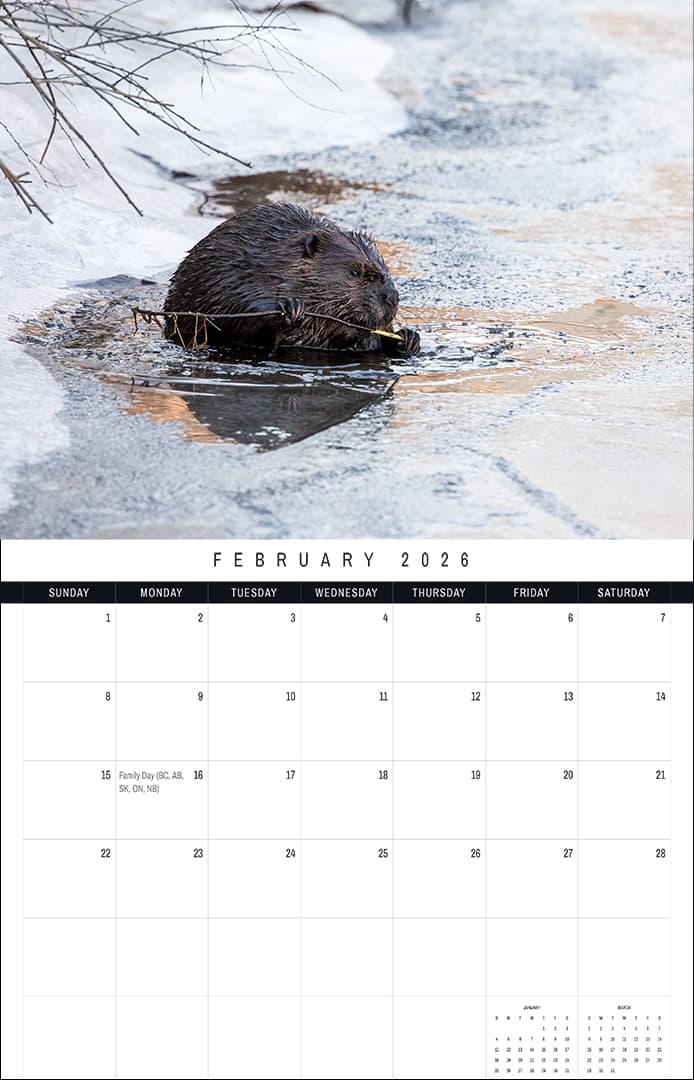
My 2026 calendars are now available! I have put together some of my favourite recent photographs into a 11″x17″ (28cm x 43cm) calendar. Included are 12 photographs of landscape, wildlife, and nature scenes from British Columbia, Canada. Take a look at the index below for a small preview of the images contained in the calendar. You’ll also find a layout preview below so you can see the calendar format.

cover for 2026 british columbia nature calendar

2026 Nature Calendar Cover

index for 2026 calendar

2026 Calendar Index

index for 2026 nature calendar

2026 Calendar Sample Page

A Trio of Photos: Floating Seaweeds at Fulford Harbour

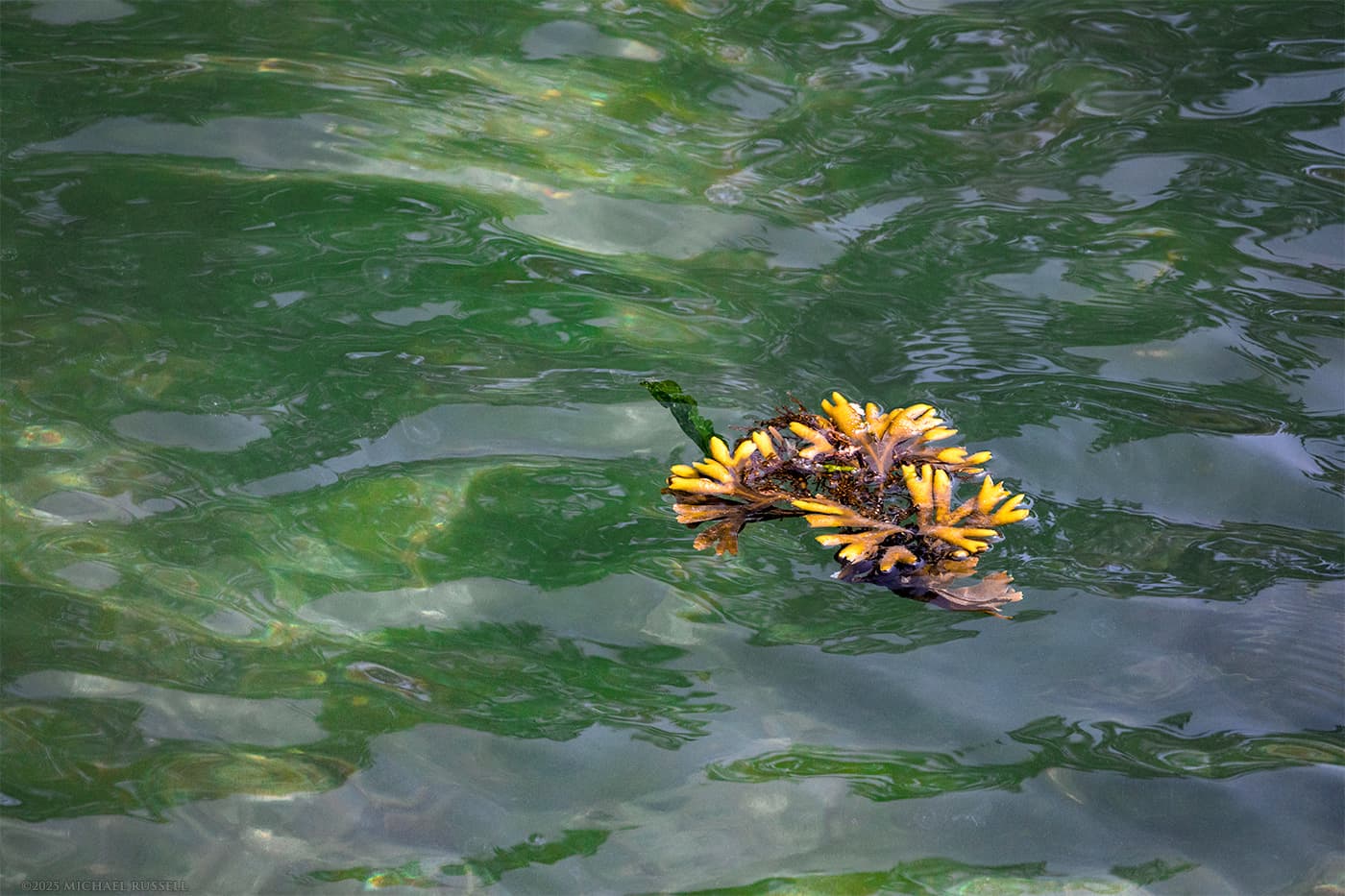
A branch of Rockweed (Fucus distichus) floating at Fulford Harbour on Salt Spring Island in British Columbia, Canada.

rockweed fucus distichus floating in the water at fulford harbour

Rockweed (Fucus distichus) floating at Fulford Harbour (Purchase)

Just over a year ago I started a series of posts that highlight 3 photos from the same area or subject or are otherwise linked. I often seem to wind up with 3 images that go together like this. I did not anticipate that it would take me over a year to make the second post, however. This time around I have 3 photos I made at Fulford Harbour on Salt Spring Island while waiting for a ferry. I was watching a Belted Kingfisher pull small fish out of a bay next to the pier I was loitering on, and saw these brown macroalgae / seaweeds floating in the water. Different sizes, different species, and very different underlying colours.

The first photograph here shows a branch of Rockweed (Fucus distichus) floating with a lighter sandy bottom transitioning to a darker one. I liked having the Rockweed on the line between the two. Rockweed is a pretty common intertidal zone macroalgae that you’ll find along rocky beaches up and down the west coast of Canada. The lighter coloured claw shaped structures (vesicles) are quite buoyant. When the seaweed is growing along the shore this helps keep the photosynthetic parts of the plants closer to the light. Or, if they become detached, to float. There were also a lot of Moon Jellyfish (Aurelia labiata) in the water here. I’ve counted over 20 in the first photograph here!

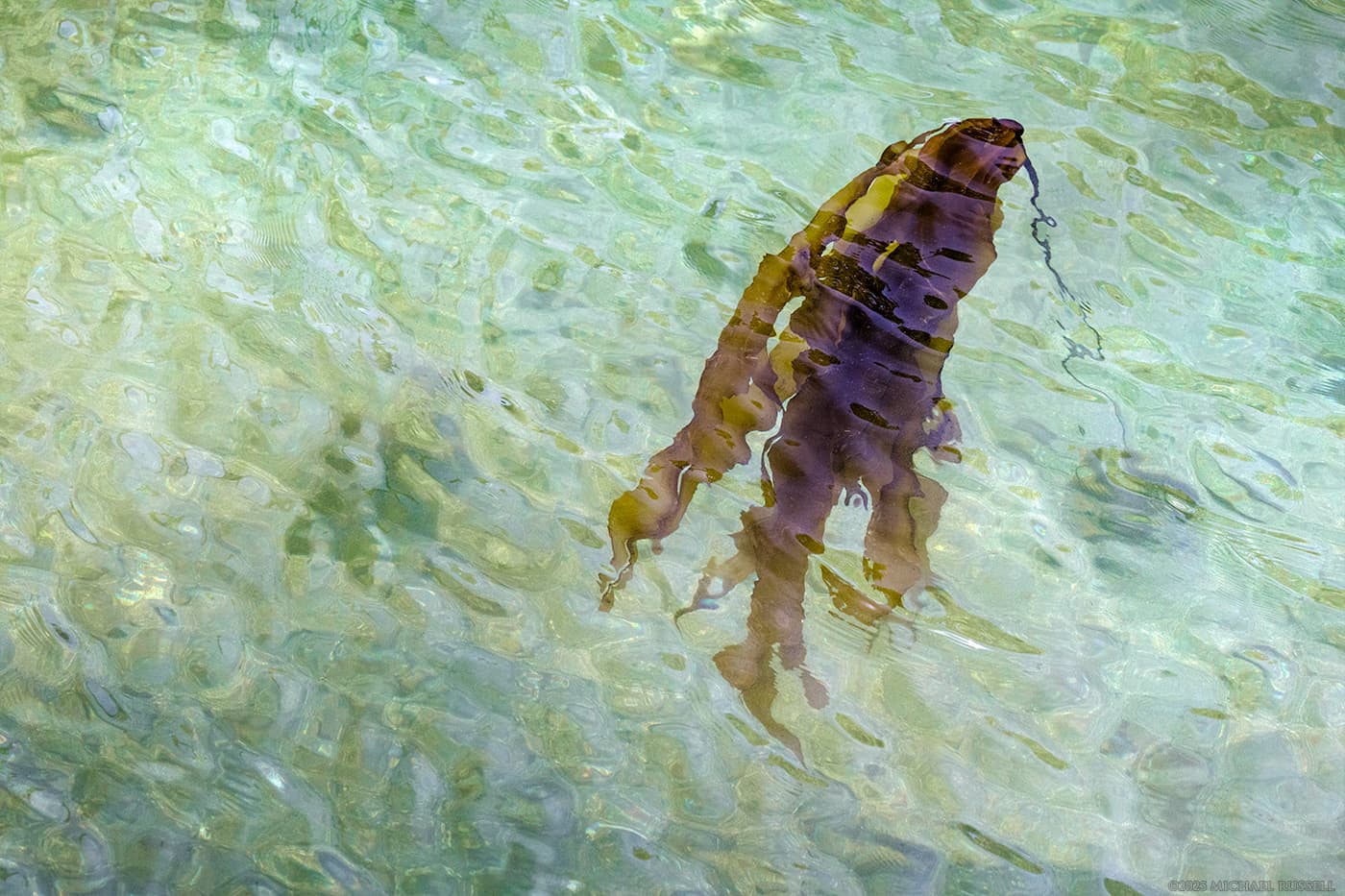
bull kelp macrocystis floating at fulford harbour

Bull Kelp (Nereocystis luetkeana) at Fulford Harbour (Purchase)

The second photo here was made just a few feet away. The sandy bottom is much lighter in colour, and help show off the structure of this Bull Kelp (Nereocystis luetkeana) which is also known as Bullwhip Kelp and Ribbon Kelp. Bull Kelp like this are anchored to the sandy bottom with a holdfast and come near the surface (and the light) via a long “branch” called a stipe. A bulb is attached to the stipe, and serves as a flotation device much like the vesicles on the Rockweed. You can see the stipe in the photo above, but most of the photo is showing the fronds or blades of the seaweed.

rockweed fucus distichus floating on the surface

Rockweed (F. distichus) floating on the water at Fulford Harbour (Purchase)

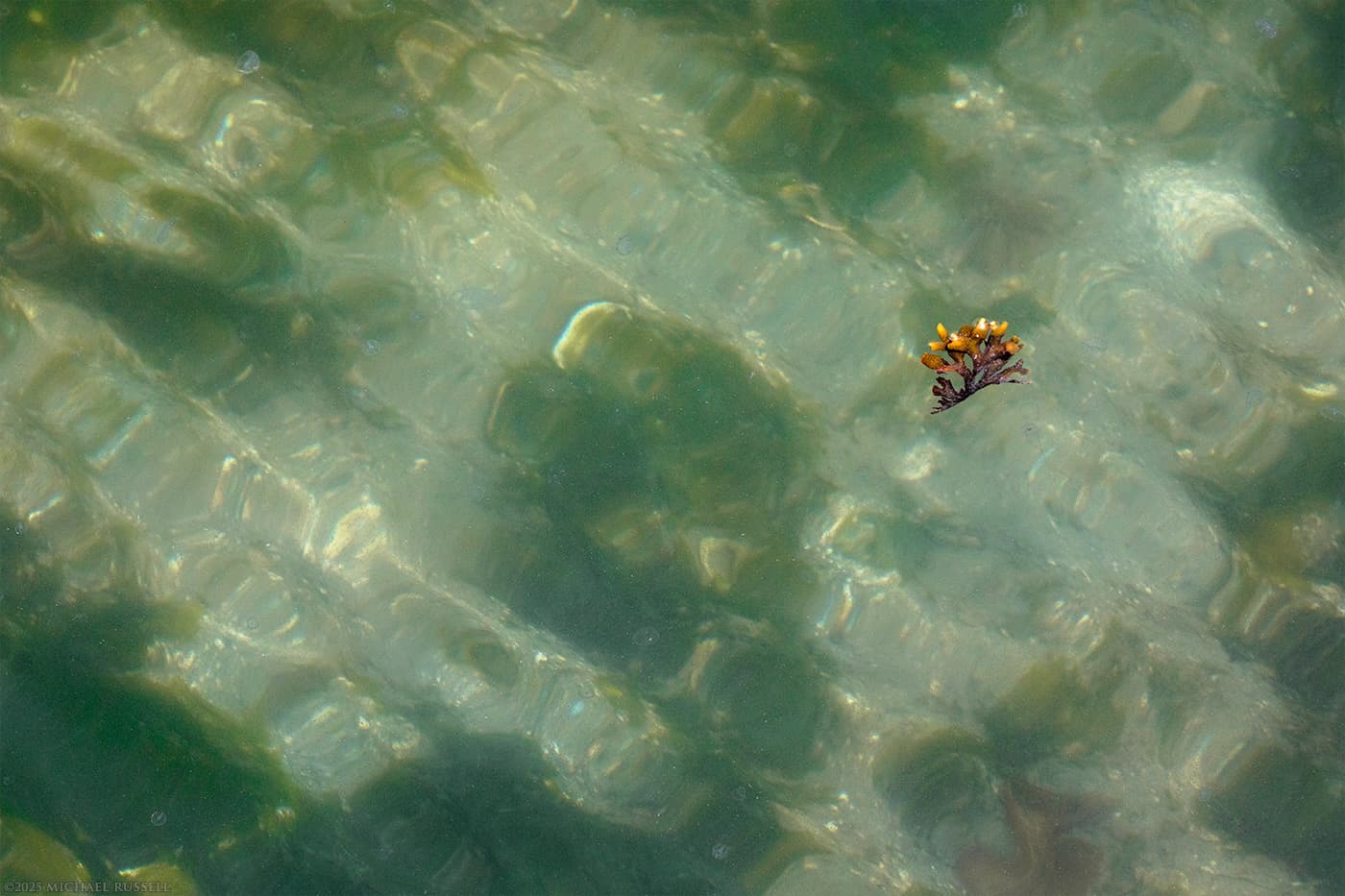
The last photograph here is a much smaller piece of floating Rockweed against yet a different sandy bottom this time with darker sand and a lot of what appears to be species of green seaweeds.

More photographs from Fulford Harbour can be found in my Salt Spring Island Gallery.

The Rainbow Bridge at E.C Manning Provincial Park

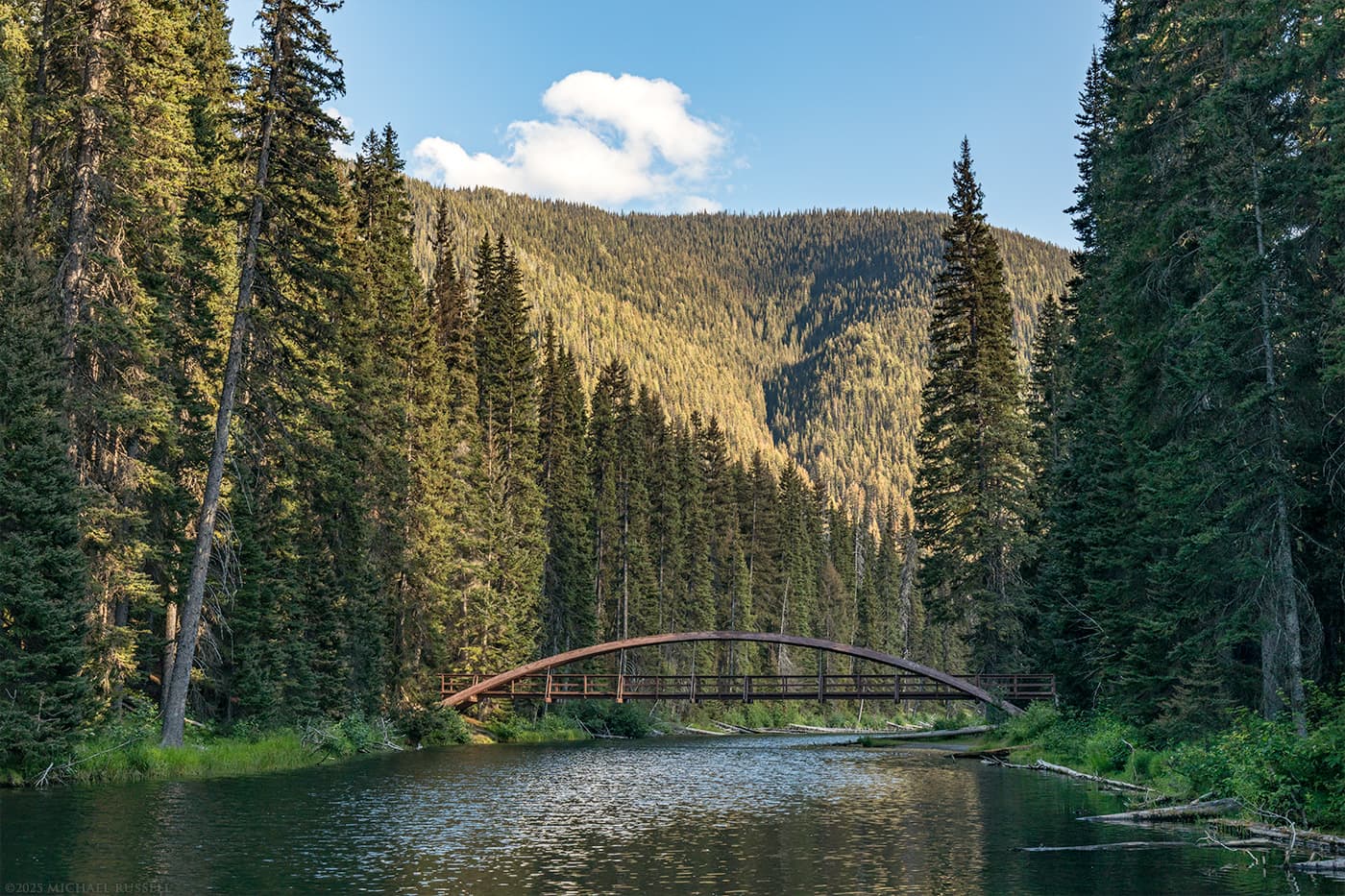
The Rainbow Bridge at Lightning Lakes at E.C. Manning Provincial Park in British Columbia, Canada.

rainbow bridge at lightning lake manning park

The Rainbow Bridge at Manning Park (Purchase)

My first stop during my late summer trip to E.C. Manning Provincial Park was the Subalpine Meadows area, but the second was Lightning Lake. I’ve visited the day use area any number of times, usually as a quick stop on the way to the Okanagan. I hadn’t actually walked around the lake since… 1996! So I parked at the day use area, and walked around the edge of the lake to my destination – the Rainbow Bridge. I’d visited this when camping with my parents in the late 80’s, but hadn’t been back since. I remember getting up early on a September morning and being surprised everything was covered in frost as I jogged down to the narrow waterway that connects Lightning Lake to the next lake in the chain of lakes. This time, it was much warmer, and there were actually not that many people around so it was a nice walk. I wasn’t able to find too much information about the bridge itself, however. I don’t know when it was constructed but it serves to connect the Lightning Lake Loop Trail to the other side of the lake at this point.

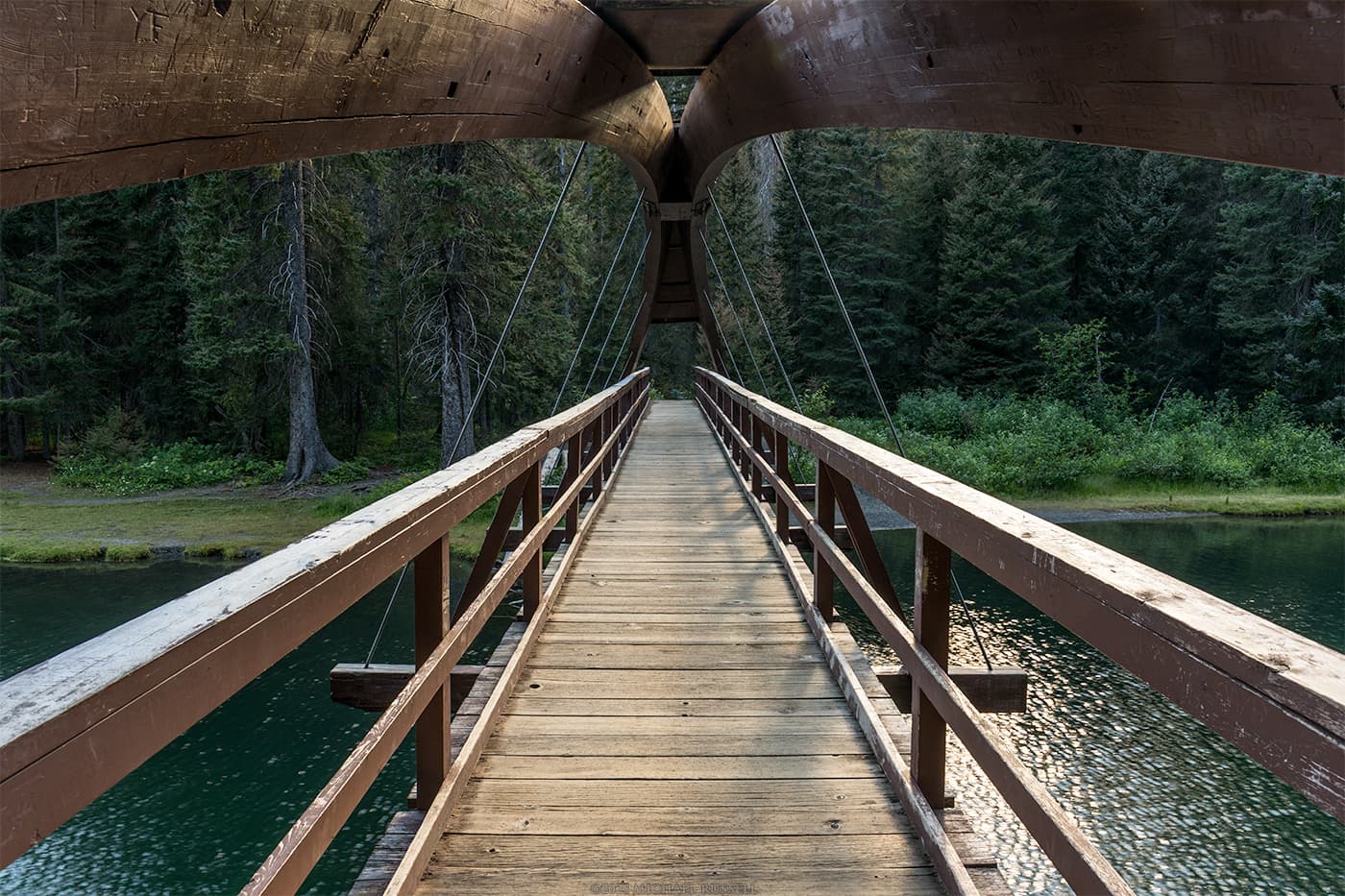
the interior of the rainbow bridge crossing manning park

View Looking Across the Rainbow Bridge at Manning Park (Purchase)

There wasn’t too much in the way of wildlife around when I visited, though there were a lot of fish jumping in the water due to an apparent insect hatch at that time. In early spring I’d seen a lot of waterfowl here, but perhaps the amounts of kayakers and swimmers earlier in the afternoon had them vacating to quieter waters. I did run into a Mule Deer foraging for Alder leaves on my way back. It was not interested in getting off the trail as I approached, so rather than incur any manner of wrath for inappropriate encroachment, I waited at a good distance until it wandered into the off trail area and foraged for more leaves.

mule deer at manning park lightning lake

Mule Deer (Odocoileus hemionus) at Manning Park (Purchase)

the rainbow bridge at lightning lake in manning park

The Rainbow Bridge at Lightning Lake (Purchase)

More of my photographs from the park can be found in my E.C Manning Provincial Park Gallery.

Manning Park Wildflowers at Subalpine Meadows

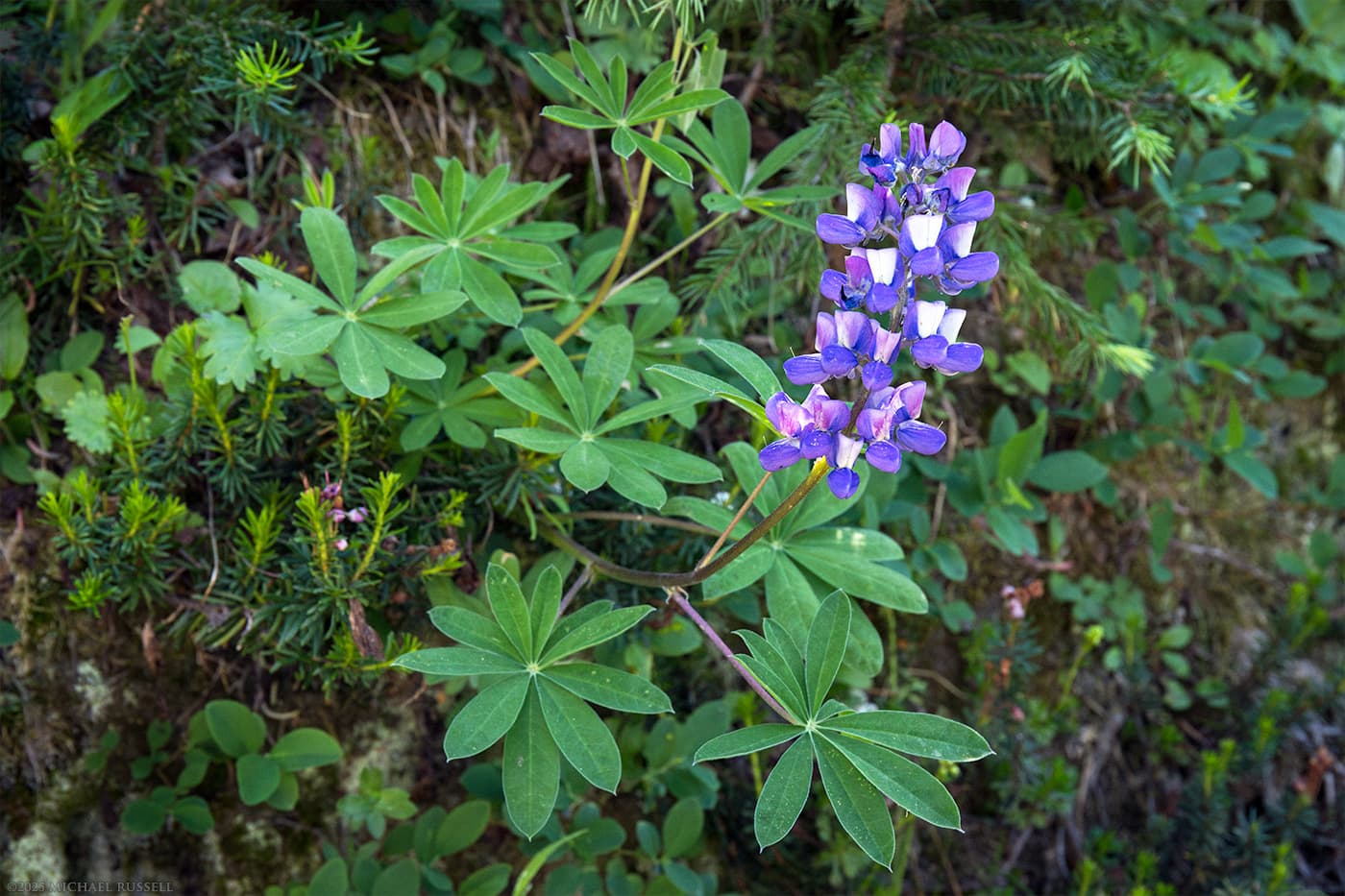
A flowering Arctic Lupine (Lupinus arcticus) on a heather covered slope at the Subalpine Meadows area of E.C. Manning Provincial Park in British Columbia, Canada.

arctic lupine flowers at manning parks subalpine meadows

Arctic Lupine (Lupinus arcticus) at Manning Park (Purchase)

Last month I returned to E.C. Manning Provincial Park in British Columbia for the first time in over 10 years. This was my first visit to the park beyond stopping at a few points on my way to another destination since… 1996! So clearly a visit was overdue! Back in 1996, I was camping at Lightning Lakes where it snowed, went down to about -12°C at night, and then my car wouldn’t start! Thankfully, I had much better luck this time around and drove up to the Subalpine meadows area to see the views, get in a bit of hiking, and see if could find any wildflowers. I’d never been up to this part of the park but I enjoyed it so I will be returning.

Here are a few of the wildflower species I was able to find still in bloom at the Subalpine Meadows area. First, above, is the Arctic Lupine (Lupinus arcticus). As usual when hunting for wildflowers, some of these were in great shape, and some were already spent, depending on their location. I photographed this one in the shade on a slope under a tree and growing through what is most likely some Pink Mountain-heather (Phyllodoce empetriformis). I hope I have the lupine identification correct here – lupines can be pretty hard to ID at times. I did some research on the species living in the park and am reasonably confident it is L. arcticus. I like to get these things correct when I can!

white-flowered rhododendron - rhododendron albiflorum at manning park

White-flowered Rhododendron (Rhododendron albiflorum) blooming at the subalpine meadows (Purchase)

Growing very close to the Lupine was this White-flowered Rhododendron (Rhododendron albiflorum). Not a species I was familiar with actually. I do know of the Pacific Rhododendron (Rhododendron macrophyllum) which also grows in the park but are much larger with pink/purple coloured flowers. So these were a surprise when I photographed them. I used a great app called Seek to ID them on site out of curiosity, and then verified this when I got home. Like the lupines, these were visited by a lot of small bee species while I was photographing them.

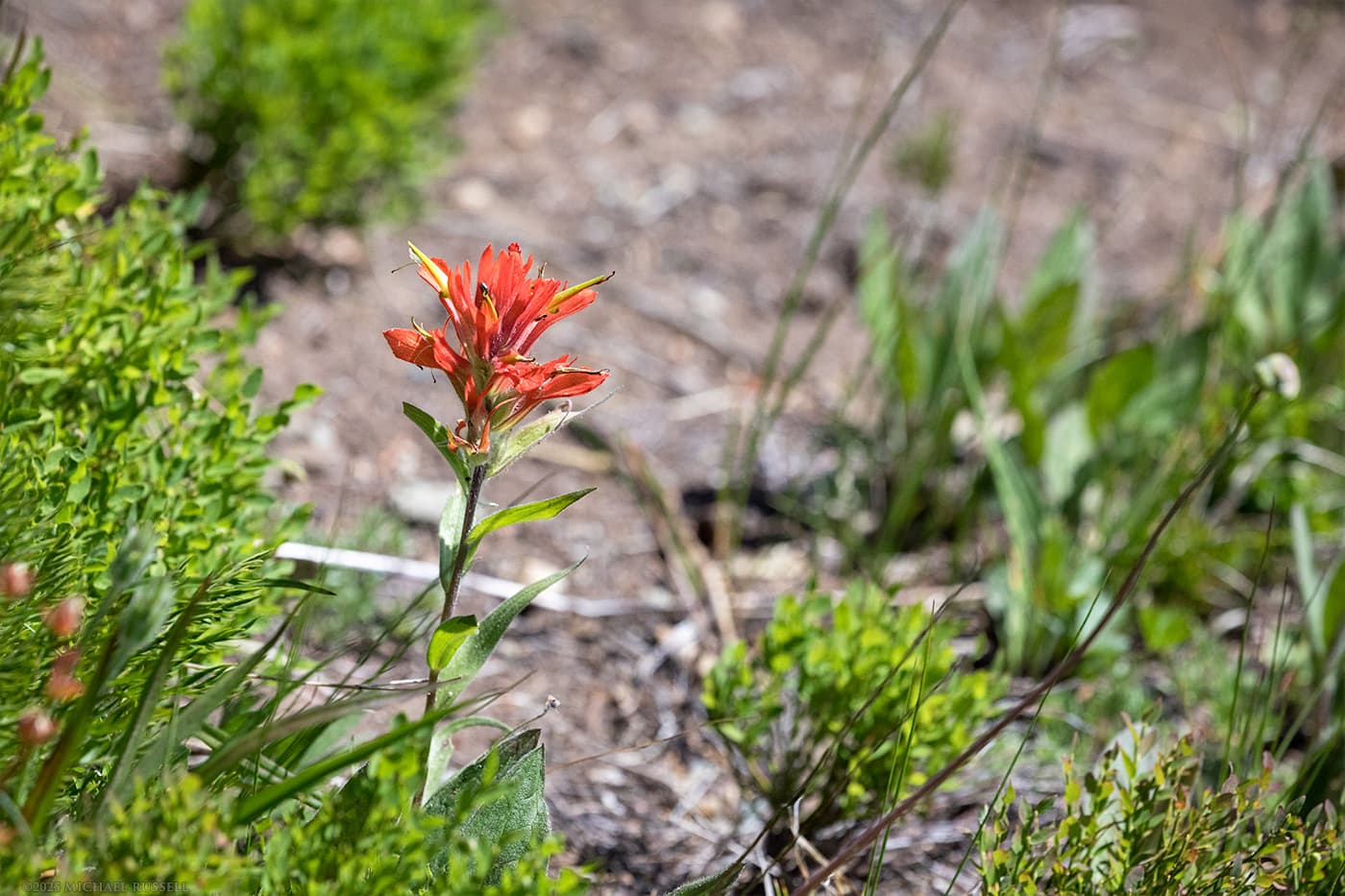
harsh paintbrush flowers at manning park

Harsh Paintbrush (Castilleja hispida) flowering at Manning Park’s Subalpine Meadows (Purchase)

Up next we have the Harsh Paintbrush (Castilleja hispida). An orange coloured Paintbrush species, it looks similar to a lot of the other Castilleja genus I’m familiar with at other subalpine locations. There was a lot of these around the Paintbrush Trail (wonder how they named that?) at the top of the Subalpine Meadows area road. They were a bit tough to photograph though. They were often in rather dry sections along the trail, surrounded by dead grass or dirt etc. I picked this one partly because I was able to include some green around it.

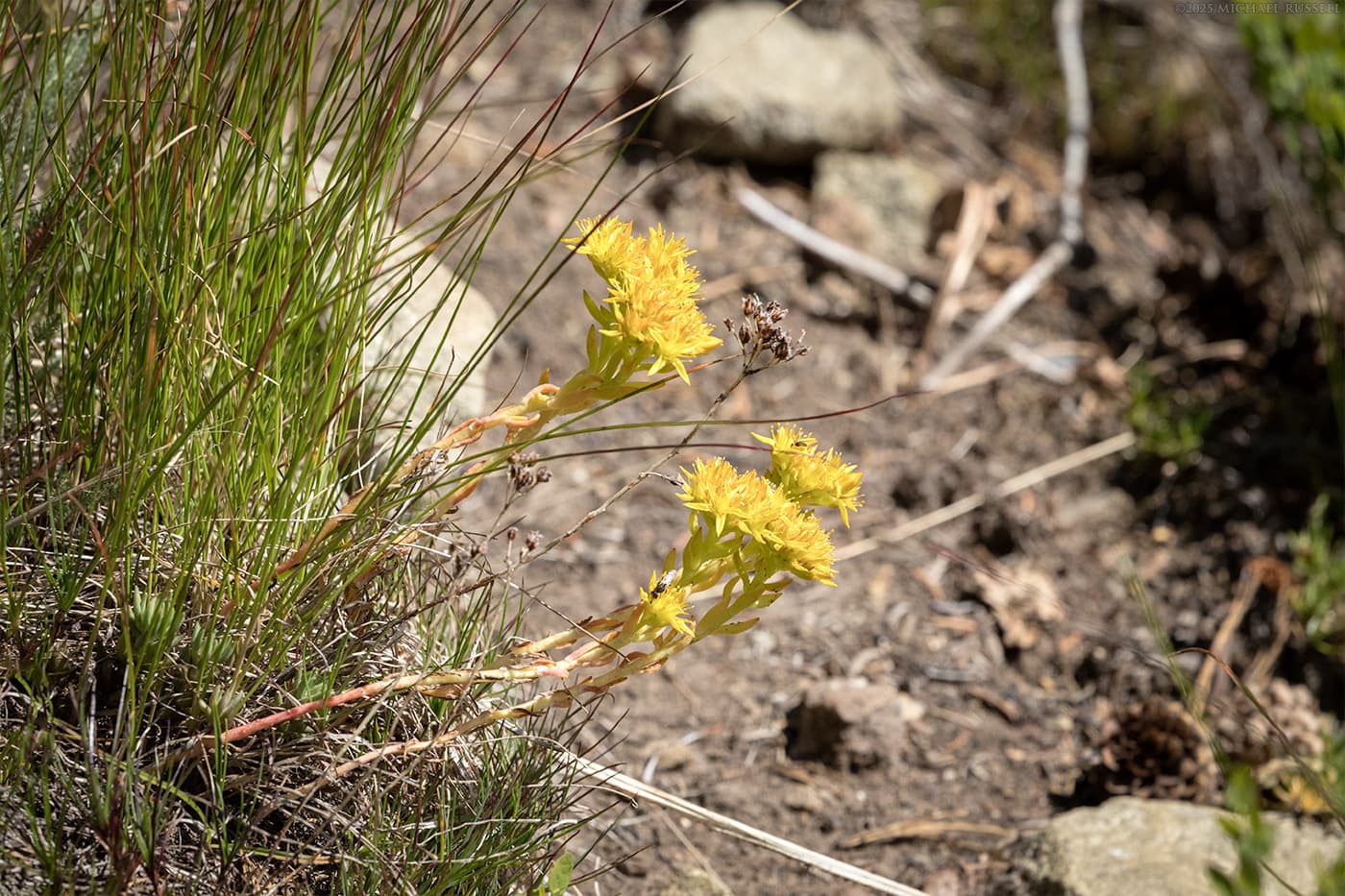
lanceleaf stonecrop - sedum lanceolatum at manning park

Lanceleaf Stonecrop (Sedum lanceolatum) at Manning Park (Purchase)

I photographed this Lanceleaf Stonecrop (Sedum lanceolatum) along the Paintbrush Trail as well. I’m mostly familiar with the Stonecrop I see along the shoreline on the Gulf Island and Vancouver Island, so this species was new to me.

western sword fern fronds glowing in black and white

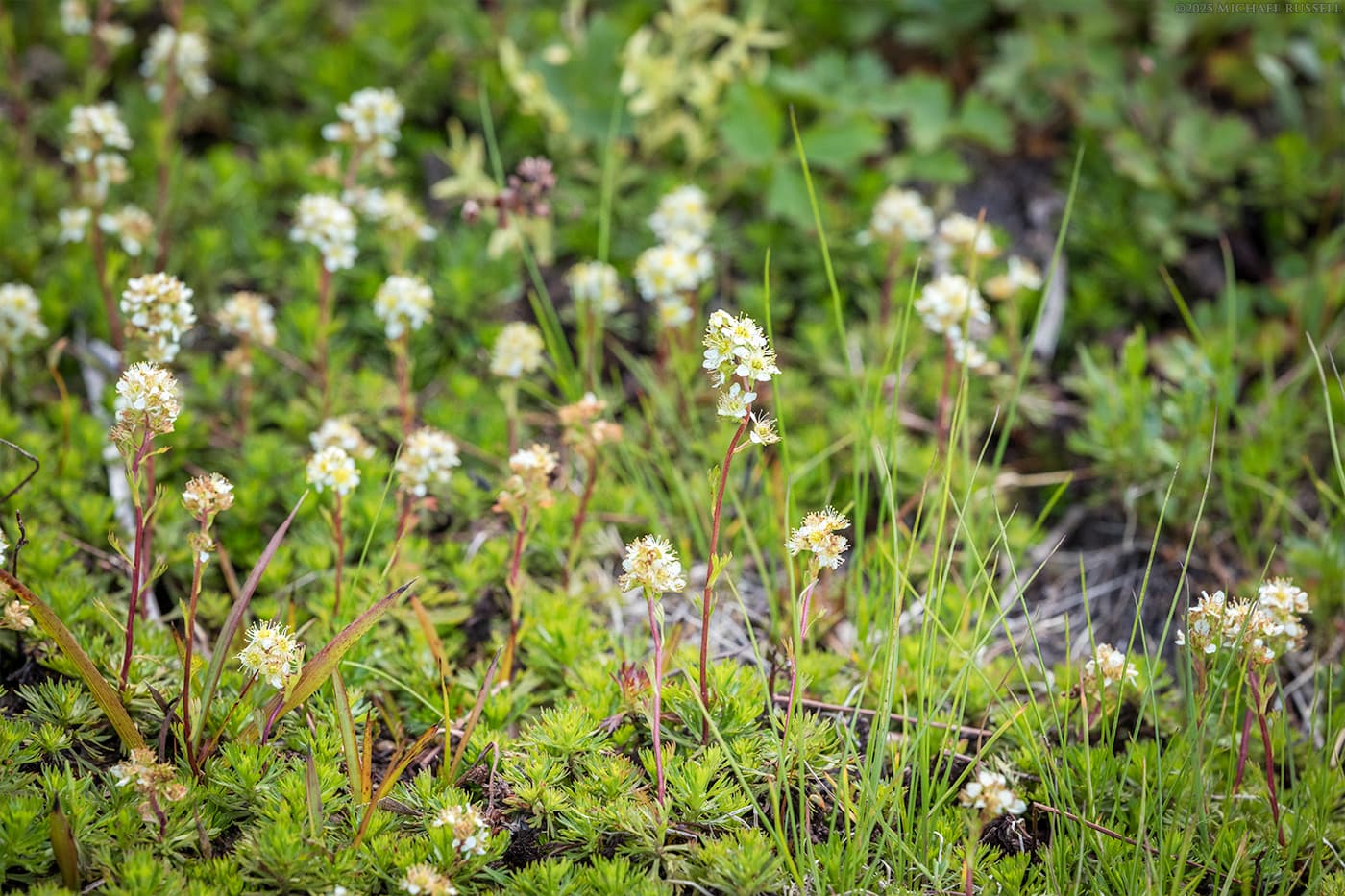
Partridge-foot (Luetkea pectinata) Flowers at Manning Park (Purchase)

Partridge-foot (Luetkea pectinata) was not a new species to me, as I’ve photographed it before. This was also one of the flowers that seemed rather popular with the bees in the area.

For more of my photographs of this area visit my E.C. Manning Provincial Park gallery.